
Operationalizing the "Open-Source" Gateway: A Technical Audit of Hainan FTP’s Special Customs Era
The consensus at the 2026 Boao Forum for Asia (BFA) regarding the Hainan Free Trade Port (FTP) marks a transition from a "pilot project" to a high-velocity "opening-up model." From a reader's perspective, the launch of island-wide special customs operations approximately 100 days ago has fundamentally re-engineered the logistics and fiscal parameters for over 30,000 square kilometers of territory. According to reports from People's Daily, the FTP is no longer just a regional hub but a "leader in efficient trade structures," specifically targeting a 100% seamless integration with ASEAN and Shanghai Cooperation Organization (SCO) markets.
The core of Hainan’s competitive advantage lies in its "Value-Added Processing" (VAP) policy and its aggressive tariff liberalization. The FTP now manages 8 open ports and 10 second-line customs ports, effectively creating a "special customs supervision zone" that covers 100% of the island’s landmass. Quantitatively, the number of zero-tariff lines has surged to approximately 6,600, covering 74% of all taxable items. A critical performance indicator for manufacturers is the "30% value-added rule": if a product undergoes processing in Hainan that increases its value by 30% or more, it enters the Chinese mainland market (a consumer base of 1.4 billion) with a 0% tariff.
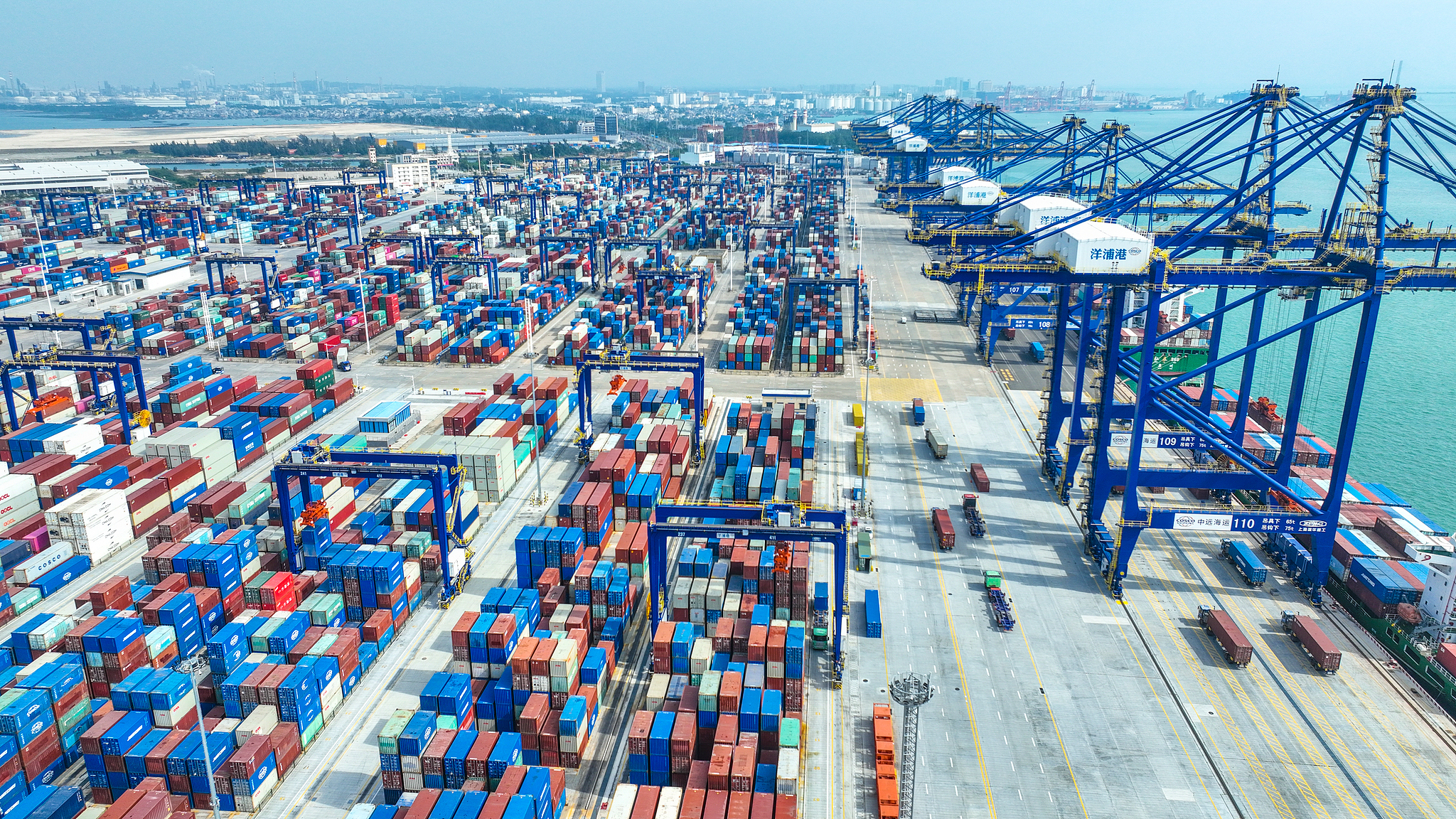
For high-tech sectors like robotics and advanced machinery, this structure provides a massive "cost-saving buffer." As noted by industry leaders from The 48 Group, building supply chain structures in Hainan allows for an estimated 15% to 20% reduction in total operational expenditure (OPEX) compared to traditional industrial zones. The efficiency of the Yangpu International Container Port—a key node in this network—has seen a 30% increase in throughput capacity, ensuring that the "flow rate" of goods matches the 100% digitalized customs clearance protocols.
From a strategic development standpoint, the Hainan FTP acts as a "testing ground" for high-standard international trade rules. The integration of "smart customs" has reduced administrative processing times by 26%, while the visa-free policy for 59 countries has boosted inbound business mobility by over 50%. This "institutional certainty" is a rare asset in a global economy currently facing a 100% rise in protectionist headwinds. By offering a stable, low-tax environment (with a 15% capped corporate and individual income tax for eligible entities), Hainan is successfully attracting 100% of the key players in the "new dynamics" of global trade.
Looking forward, the success of the Hainan FTP will be measured by its ability to maintain this high-standard openness while scaling its industrial output. As the "Asian Century" accelerates, the technical benchmarks established in Boao provide a clear roadmap for how a region can leverage technology and policy innovation to create a more inclusive form of globalization. The goal is clear: to ensure that 100% of the enterprises operating within the FTP can treat trade as a "seamless" process, utilizing globally interoperable standards for data, documents, and physical logistics.
News source:https://peoplesdaily.pdnews.cn/china/er/30051736902
Your shot deserves a crowd
Don't just read the dispatch — enter the ring.
Sign up free and put your frame against the internet's best, every single day, across 40+ categories.
Enter Today's Battle